

Parent Categories



Related Products


Related Books
Why Gen Z Is Quietly Falling in Love With Virginia Woolf
 Gen Z Is Quietly Falling in Love With Virginia Woolf
When we talk about classics and classic authors, a familiar vocabulary always seems to surface: timeless, enduring, relevant, evergreen. These words are often accepted at face value, repeated so frequently that we rarely pause to ask why these classics continue to resonate across generations.
At Cuppa Classics, we return to classic authors with curiosity rather than assumption, asking the same question again and again: Why does their work still matter today? And this month, as Virginia Woolf takes centre stage as our author of the month, we’re asking that question through a distinctly Gen Z lens.
Why, exactly, is this generation quietly falling in love with Virginia Woolf?
We’ve distilled our thoughts, observations, and analysis into this blog—an exploration of how Woolf’s writing speaks to modern sensibilities, emotional depth, and the inner lives of Gen Z. So, if you’re ready, let’s take a closer look at why Gen Z relates to her now more than ever.
Virginia Woolf: A Writer Who Listened to the Inner Life
Virginia Woolf did not write to tell stories in the traditional sense. She wrote to listen to the quiet, often chaotic movement of the mind.
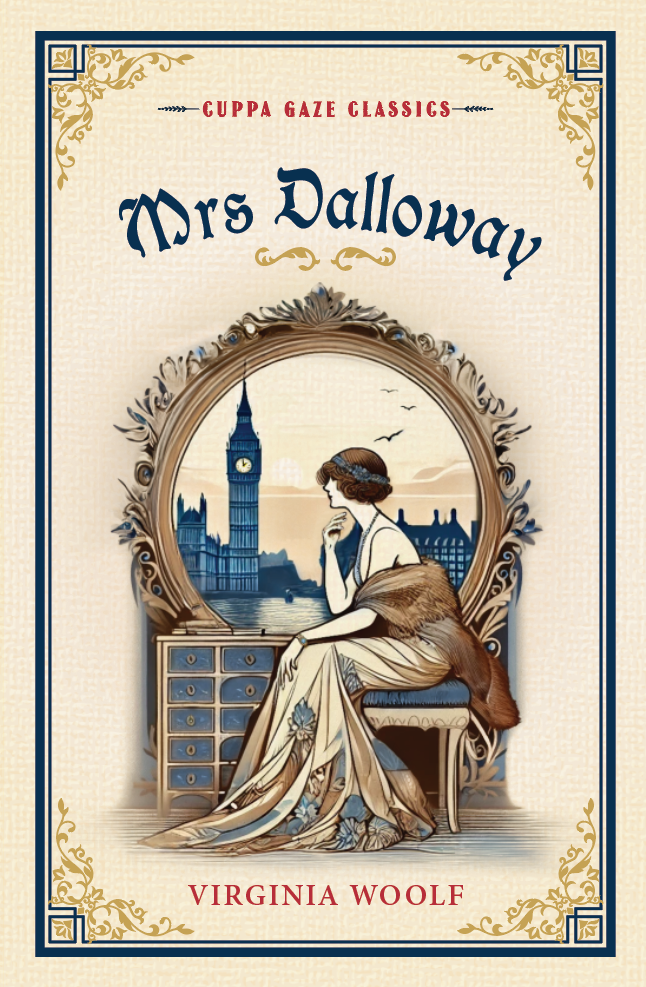
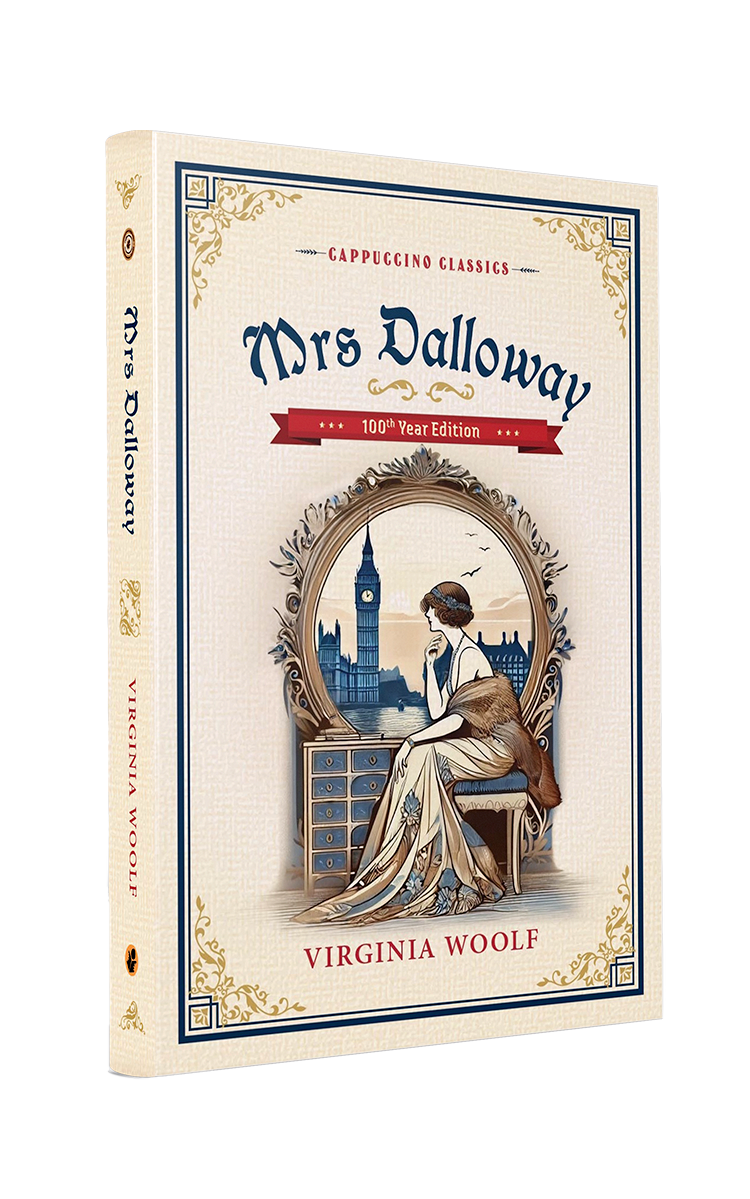
Take this quote from Mrs Dalloway, for example:
"She felt very young; at the same time unspeakably aged. She sliced like a knife through everything; at the same time was outside, looking on... far out to sea and alone; she always had the feeling that it was very, very dangerous to live even one day."
This use of stream-of-consciousness writing allows readers to sit inside her characters’ minds as they move through ordinary days. A walk through London, a dinner party, the passing of time—these moments are not important because of what happens, but because of how they were felt.
Woolf captures the way memory interrupts the present, how emotion lingers, and how the mind rarely stays in one place for long. For Gen Z, who often navigate identity, mental health, and meaning in a fragmented, fast-moving world, Woolf’s classics offer reassurance that these inner contradictions are not flaws but a natural part of being alive. In reading her, many feel seen not for what they do, but for what they think and feel in moments no one else witnesses.
Also read: Why Virginia Woolf Believed Reality Was Felt, Not Explained
Woolf’s Honesty About Mental Health
Between Virginia Woolf and Gen Z lies a century of generational divide. Yet, there’s one striking connection that binds them: deep attention to mental health. Long before the language of boundaries, burnout, or self-care existed, Woolf was writing honestly about the mind—its fragility, its intensity, and its need for gentleness.
Gen Z is often mocked for prioritising mental health—for saying no to disrespect, honouring emotional limits, and refusing to glorify exhaustion. But Woolf’s works validate these choices.
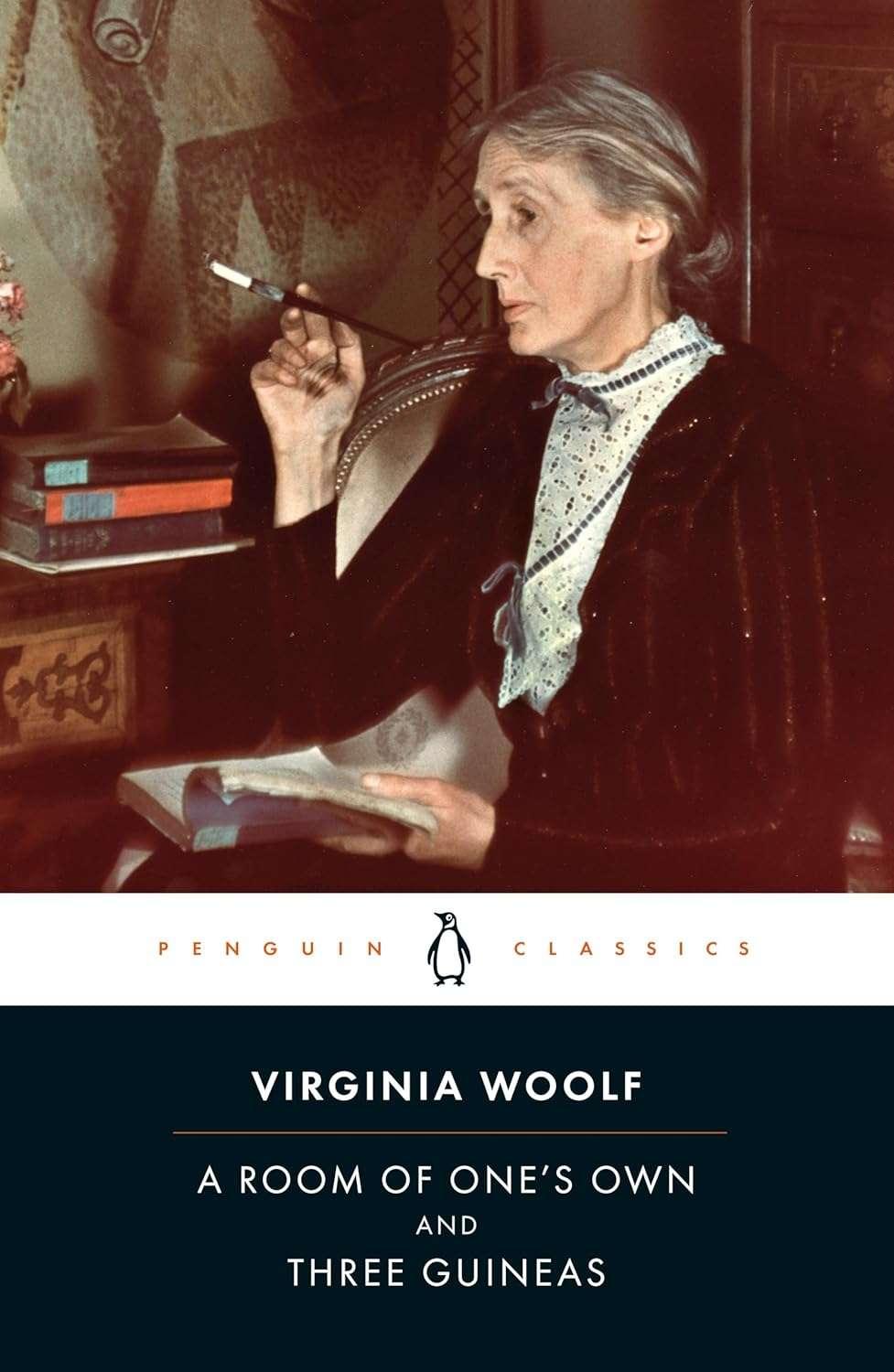
Consider her assertion in A Room of One's Own: “No need to hurry. No need to sparkle. No need to be anybody but oneself.”

In a world that pressures individuals to perform, achieve, and conform, Woolf’s words read like permission to exist without justification. They echo Gen Z’s insistence on authenticity over expectation.
Similarly, when Woolf writes in Orlando that “All extremes of feeling are allied with madness,” she acknowledges the fine line between emotional depth and psychological overwhelm. Rather than condemning sensitivity, she recognises it as part of the human condition—especially for those who feel deeply and intensely.
Through such moments, Woolf does not pathologise the mind; she listens to it. And in doing so, she makes Gen Z readers feel seen.
Feminism Before It Had a Name
Many Gen Z women find Virginia Woolf deeply inspiring—and for anyone familiar with her work, this is hardly surprising. Woolf was hyper-aware of the patriarchal society she lived in and of the ways women were constrained and underestimated across all aspects of life. In her efforts to document women’s inner and outer experiences honestly, she became one of the most influential voices in 20th-century feminist literature.
A clear example appears in A Room of One’s Own, where Woolf writes:
“The history of men's opposition to women's emancipation is more interesting perhaps than the story of that emancipation itself.”
She returns to this theme in Orlando as well, noting: “As long as she thinks of a man, nobody objects to a woman thinking.”

With characteristic wit, Woolf highlights how women’s intellectual freedom has often been accepted only when it remains centred on men.
While some may argue that gender equality has largely been achieved, many Gen Z—particularly those from different cultural backgrounds, including women of colour, women from more traditional societies and queer identities—still find comfort and recognition in Woolf’s writing. Her work acknowledges the subtle, everyday limitations that are often difficult to articulate.
By giving language to women’s experiences, Woolf makes Gen Z readers feel seen. More than that, she was inclusive in her writing and explored gender fluidity. She challenged biological definitions of gender, suggesting that societal roles and expectations shape gender—a radical idea for her time.
Why Gen Z Is Finding Woolf Now
By now, we’ve talked at length about why Virginia Woolf feels relevant to Gen Z—her attention to the inner life, her honesty about mental health, and her quiet but enduring feminism.
Gen Z is living through constant acceleration—information overload, identity exploration, cultural shifts, and a world that rarely pauses. Woolf, on the other hand, asks us to slow down. To sit with discomfort, contradiction, and thought without immediately turning it into content or conclusions. In an age of hot takes and instant reactions, her writing feels almost radical in its patience, and who’s more radical in this generation than Gen Z?
So if you’ve been feeling overwhelmed, introspective, or just in need of a writer who understands the messiness of thinking, this is your sign. Pick up a Cuppa Classic by Woolf. Take it slowly. Let your thoughts wander.
We’ll see you soon with the next blog. Until then, happy reading!
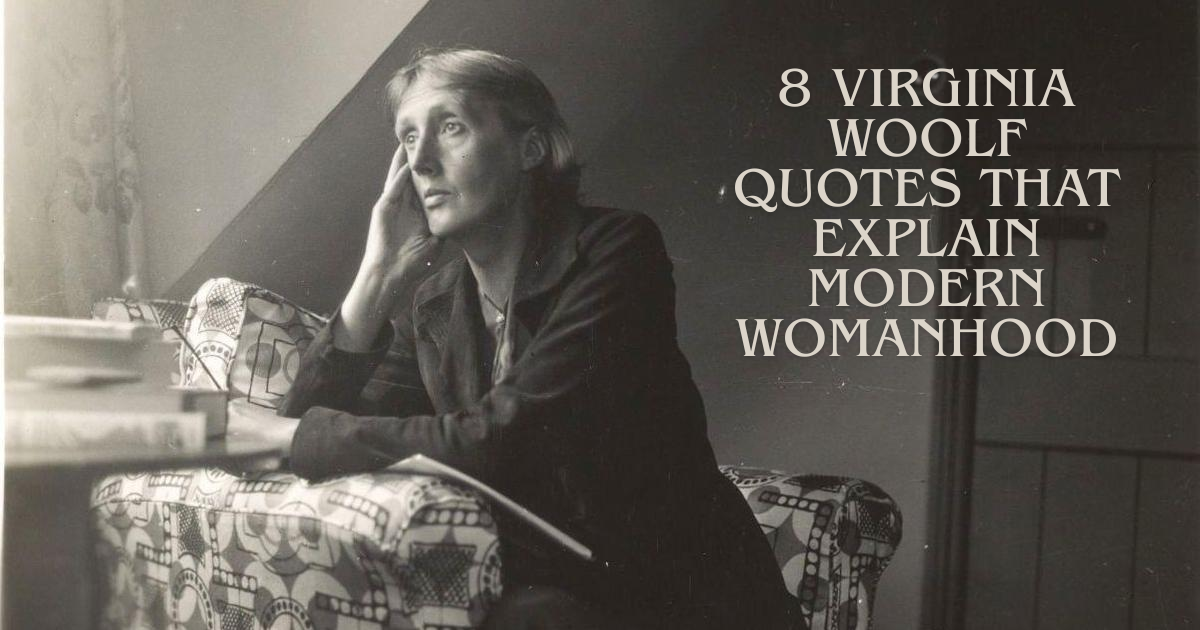
Your next read: 8 Virginia Woolf Quotes That Explain Modern Womanhood