

Parent Categories



Related Books
Hobbits, Elves, and Dwarves: What Makes J.R.R. Tolkien’s Middle-Earth So Believable?
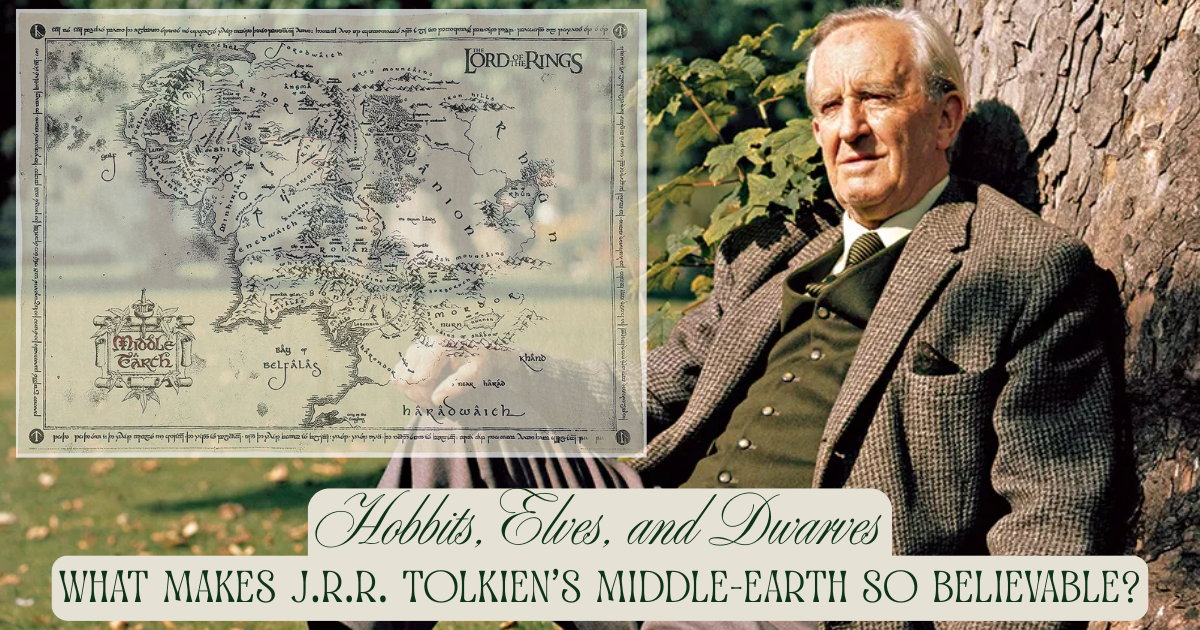 J.R.R. Tolkien’s Middle-Earth
There are fictional worlds we visit, and then there are fictional worlds we want to live in forever. J.R.R. Tolkien’s Middle-earth belongs firmly in the latter category. Long after the last page of The Lord of the Rings is turned, the Shire still feels tucked away somewhere beyond familiar hills, Rivendell still echoes with song, and the mines of Moria retain the weight of ancient tragedy. Middle-earth does not feel invented; it feels remembered. The question is—why?
The believability of Middle-earth does not rest on dragons or magic rings alone. It arises from a careful fusion of language, history, culture, moral philosophy, and emotional truth. Tolkien did not merely tell a story set in a world; he built a world that could have produced such a story.
A World Rooted in Language
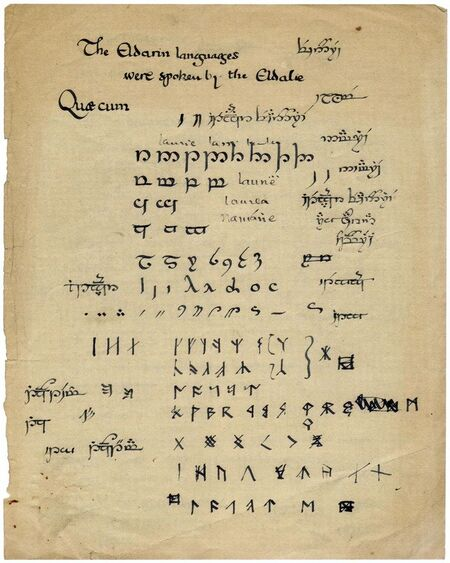 [Tengwar and runes in a manuscript by J.R.R. Tolkien, Image credit: Tolkien gateway]
At the heart of Middle-earth lies language. Tolkien was not a novelist first—he was a philologist. Languages fascinated him, and Middle-earth grew out of that fascination. Elvish tongues like Quenya and Sindarin were not decorative flourishes; they were complete, structured languages with grammar, phonetics, and internal history.
This linguistic depth lends Middle-earth an uncanny realism. Place names feel meaningful rather than arbitrary. Rivendell is also Imladris; Gondor carries echoes of Númenor; even the word ‘hobbit’ feels earthy and old. Languages evolve over time in the real world, and they do so in Middle-earth as well. That evolution suggests centuries of use, migration, and cultural exchange—exactly what we expect from a believable civilisation.
History That Feels Lived In
 [Image Credit: Ebay]
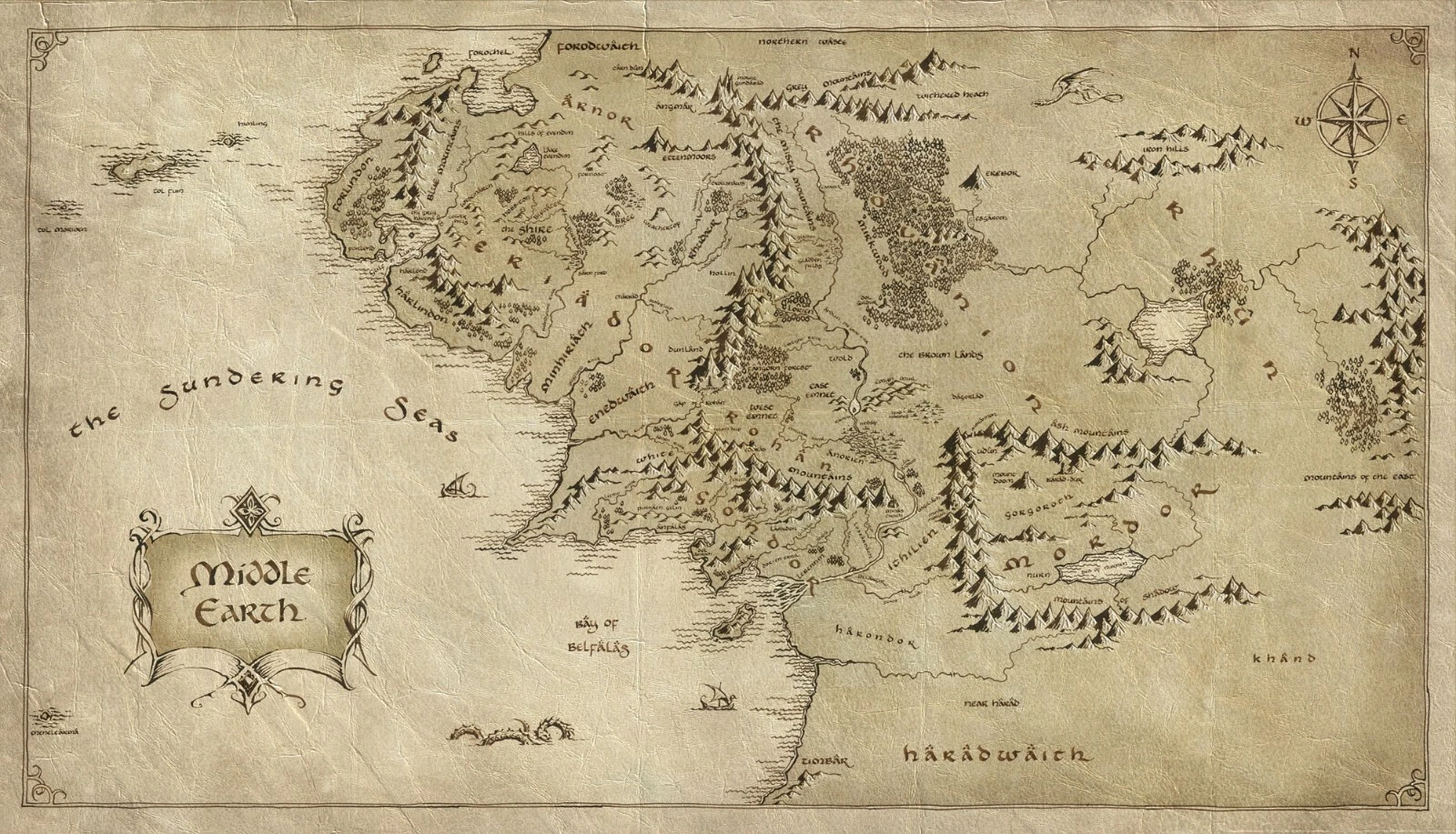
Middle-earth has a past that presses heavily on its present. Ruins are everywhere—Weathertop, Osgiliath, the Watcher’s stones in the north. Songs and stories recall wars long forgotten by most but still shaping the world’s fate. This layered history makes Middle-earth feel less like a stage set and more like a palimpsest, written and rewritten across ages.
Tolkien rarely explains this history outright. Instead, he lets it surface organically through fragments—half-remembered legends, Elvish laments, and offhand remarks by characters who assume such knowledge is common. The result is a world that feels larger than the story being told, as though the narrative is only one chapter in an immense chronicle.
Peoples with Distinct Cultures
 [Image Credit: CBR]
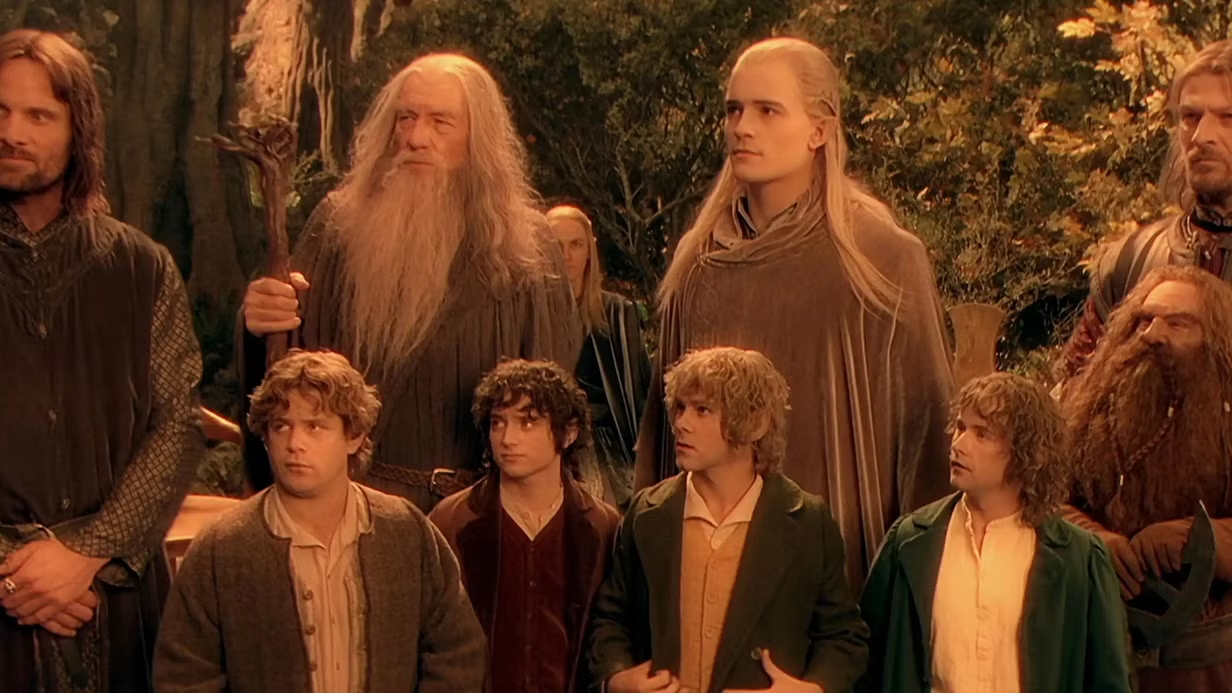
Hobbits, Elves, Dwarves, Men, and even Orcs are not interchangeable fantasy races; they are distinct cultures shaped by geography, values, and history.
Hobbits are small not just in stature but in ambition. They love food, gardens, and genealogies, and they distrust adventure. Their ordinariness grounds the story emotionally. We understand their fear because it mirrors our own reluctance to leave comfort behind.
Elves, by contrast, are bound to time differently. Immortal and deeply tied to memory, they carry the sorrow of ages. Their beauty is tinged with loss, making them believable not as perfect beings but as weary ones.
Dwarves are shaped by stone and craft. Their pride, secrecy, and fierce loyalty arise naturally from a culture forged underground, where survival depends on skill and trust within one’s kin. Even their flaws—greed, stubbornness—feel earned rather than imposed.
These cultures clash and cooperate in ways that feel authentic because Tolkien treats them as societies, not stereotypes.
Moral Complexity Without Cynicism
Middle-earth is often described as a world of clear good and evil, yet its moral landscape is more nuanced than it appears. Evil is real and destructive, embodied in Sauron and his works, but Tolkien is deeply interested in how evil operates—through temptation, fear, and the desire for control.
Characters do not fall because they are weak caricatures; they fall because they are human (or hobbit, or wizard). Boromir’s failure is tragic precisely because it springs from the love of his people. Gollum’s corruption is horrifying because it is gradual and pitiable. Even Frodo, the purest of heroes, cannot ultimately destroy the Ring by will alone.
This moral realism—acknowledging both the necessity of goodness and the fragility of those who pursue it—makes Middle-earth resonate far beyond fantasy.
Nature as a Living Presence
Middle-earth breathes. Rivers have names and moods. Forests like Fangorn feel ancient and watchful. Mountains loom with both beauty and threat. Tolkien’s love for the natural world infuses every landscape with personality.
Nature is not merely a backdrop; it participates in the story. Trees can be allies or enemies. The desolation of Mordor is not just geographical but moral—a land scarred by exploitation. This ecological awareness grounds the world in physical reality and emotional meaning.
Ordinary Courage in an Epic World
Perhaps the greatest reason Middle-earth feels believable is that its fate rests not with the mighty alone, but with the small and overlooked. The world is saved not by kings or wizards acting in isolation, but by friendship, endurance, and mercy.
Sam Gamgee’s loyalty, Frodo’s perseverance, and even Bilbo’s earlier pity toward Gollum shape history more than armies do. This emphasis on ordinary courage reflects a truth readers recognise: history often turns on quiet choices made far from glory.
Middle-earth on Screen: When Tolkien’s World Came to Life
Peter Jackson’s film adaptations of The Lord of the Rings and The Hobbit succeeded because they approached Middle-earth as a lived-in world rather than a visual spectacle. Languages were spoken, cultures were visually distinguished, and landscapes were shaped by history and purpose. Yet what made the films endure was not scale alone, but familiarity—the Shire felt like home, Rivendell like memory, and Moria like loss. By allowing quiet moments to coexist with epic conflict, the adaptations reinforced what readers had long felt: Middle-earth was not newly imagined on screen, only vividly returned to.
A World That Reflects Ours
Middle-earth endures because it reflects the real world—not in geography or politics, but in emotional and moral truth. It understands nostalgia, loss, hope, and the fear that goodness may not be enough. Yet it insists that goodness is worth choosing anyway.
Tolkien once described his work as a ‘sub-creation’, a world made in imitation of the primary world we inhabit. Middle-earth feels believable because it is built on the same foundations: time, memory, language, love, and loss.
When we believe in hobbits, elves, and dwarves, we are not suspending disbelief. We are recognising something familiar—an echo of our own world, told in an older, deeper voice.